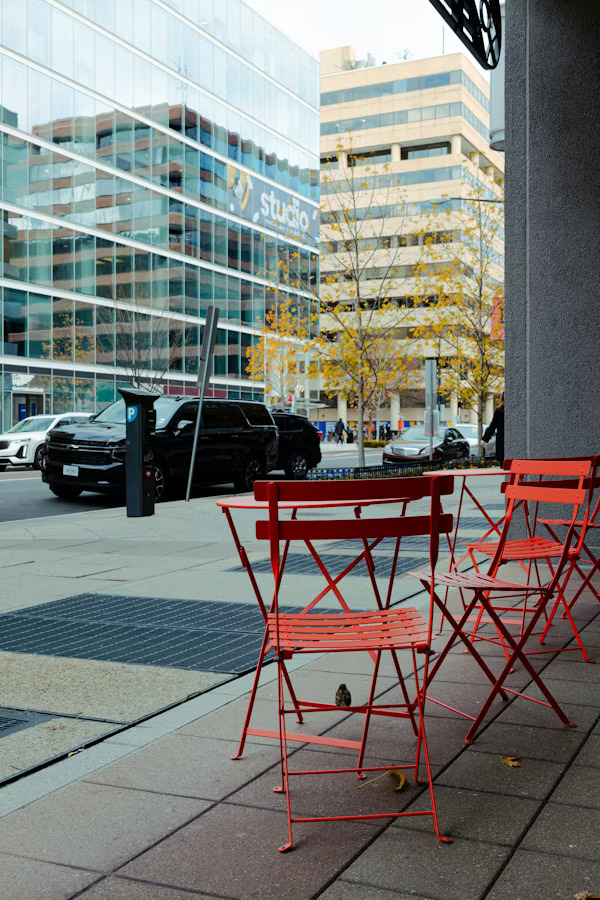
The dining landscape in Washington, D.C., is currently a sobering reflection of the broader economic pressures hitting the restaurant industry nationwide. As 2025 draws to a close and the calendar turns toward 2026, the sheer number of shuttered windows and “For Lease” signs in the capital serves as a stark warning. With 92 recorded closures this year, the city has seen a 92 percent increase in failures compared to 2022.
The struggle is not unique to D.C., though the city often feels like a pressure cooker for these issues. On a national level, the hospitality industry is grappling with a shift in consumer behavior driven by a cooling economy. People are tightening their belts. High interest rates and the cumulative effect of years of inflation have made dining out a luxury that many are starting to trim from their monthly budgets. When the cost of groceries remains high, the premium of a restaurant meal becomes much harder for the average person to justify.
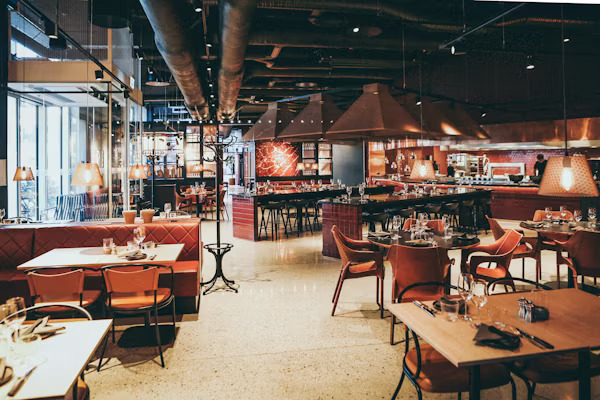
In Washington, these general economic headwinds are amplified by local policy. The steady phase-out of the tip credit under Initiative 82 has forced a radical restructuring of how businesses handle their payroll. For a mid-priced restaurant, an overnight spike in labor costs can be the difference between breaking even and falling into the red. Owners are caught in a difficult spot where they must either raise menu prices, which risks alienating a cash-strapped public, or cut staff. The reality is grim, as a recent RAMW survey found that 44 percent of full-service casual restaurant owners feared they would be forced to close their doors by the end of 2025.
The “vanishing middle” is perhaps the most visible trend of this period. While high-end establishments can often rely on a clientele that is less sensitive to economic swings, the casual, full-service spots are being squeezed from both sides. They are too expensive for the quick-bite crowd but not exclusive enough to be a “special occasion” destination. Data suggests that 76 percent of these mid-priced spots saw a significant decline in foot traffic this year, a clear sign that the casual diner is staying home.
Beyond the internal costs, external factors like a 43-day government shutdown and a dip in tourism have robbed the city of the consistent volume it needs to thrive. When the offices in a downtown corridor are empty and the tourists are staying home to save money, even the most beloved institutions struggle. Many operators reported that their sales were down by as much as 20 percent compared to the previous year, leaving little room for error.
Looking into 2026, the industry is entering a period of forced evolution. To stay alive, many businesses are moving away from the traditional full-service model in favor of smaller spaces and counter service. It is a pragmatic response to a brutal economic climate. The coming year will likely be defined by this search for a more sustainable way to operate in a world where the old margins simply do not exist anymore.